Healthy habits
How to lower blood pressure
Simple steps to help lower blood pressure: eat less salt, move more, eat well and follow your treatment plan.
Small, steady changes can help lower blood pressure and protect your heart. Start with one or two habits you can stick with. Some people also need medicine — healthy habits do not replace prescribed treatment.
1. Eat less salt
Cut back on salty snacks, processed meats, instant noodles and takeaway meals. Compare food labels and choose options with less salt or sodium (the part of salt that raises blood pressure). Use herbs, spices or lemon instead of adding salt.
2. Move more
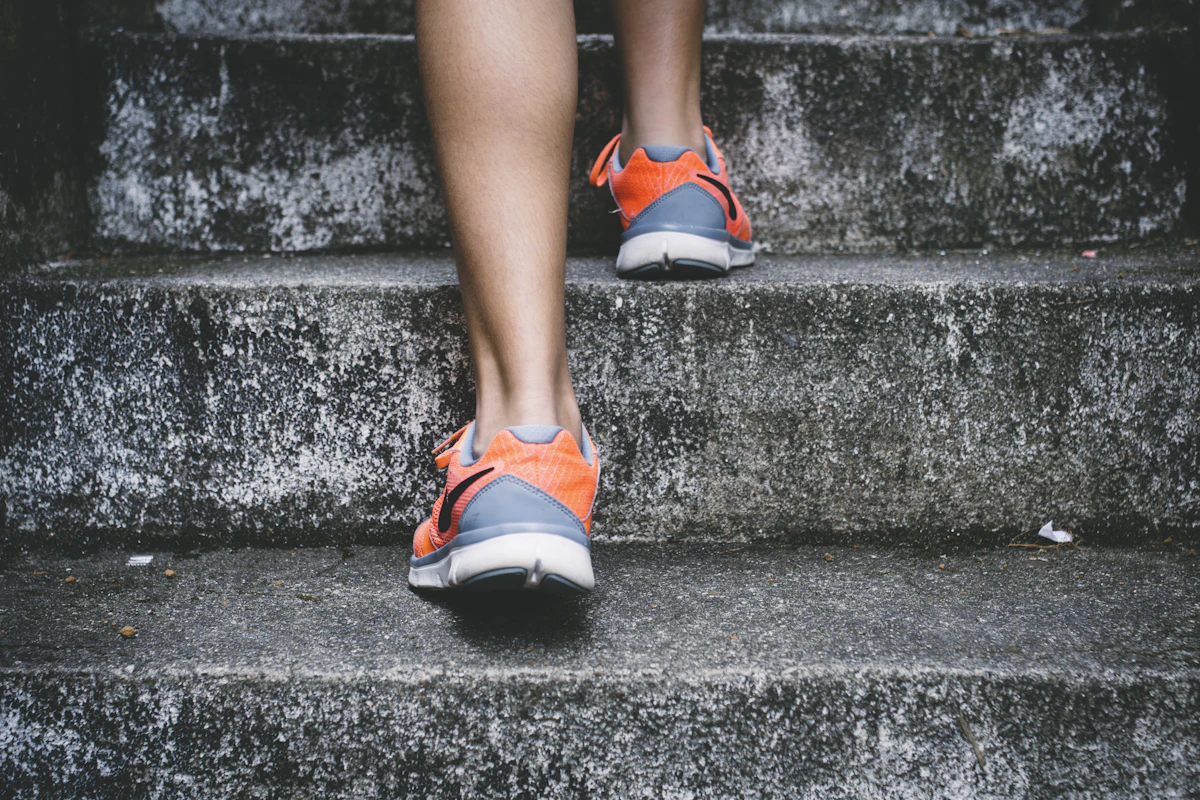
Aim for at least 150 minutes of moderate exercise a week — for example, a brisk 30-minute walk on five days. Moderate means you can still talk, but not sing. Start with short walks and build up slowly. If you have health problems or are unsure what is safe, ask your healthcare professional first.
3. Eat more everyday healthy foods
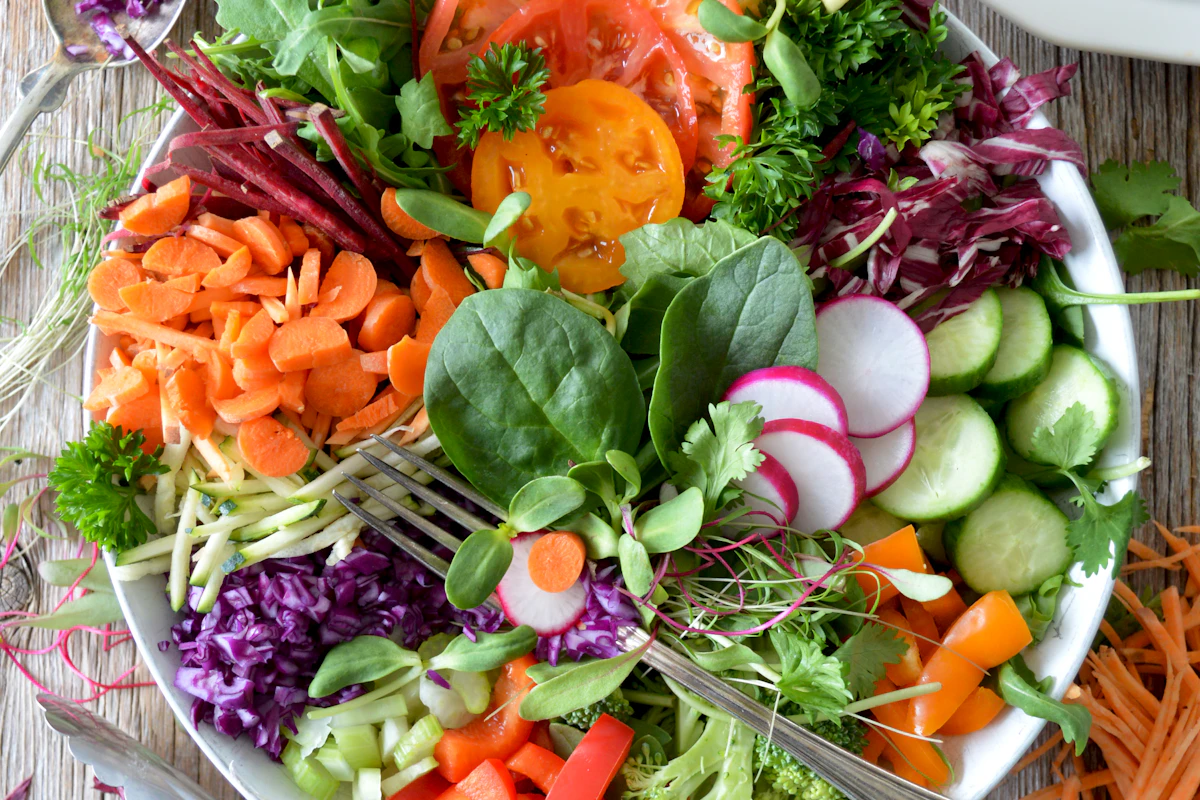
Choose vegetables, fruit, beans, whole grains and unsalted nuts more often. Swap some packaged snacks for fresh foods. You do not need a perfect diet; small swaps add up.
4. Work towards a healthy weight
If you are overweight, losing some weight can help lower blood pressure. Focus on changes you can keep up, not crash diets. A healthcare professional can help you set a suitable goal.
5. Drink less alcohol
Cut down if you drink, and include alcohol-free days. If you do not drink, there is no reason to start. If you drink heavily or get withdrawal symptoms, seek medical advice before stopping suddenly.
6. Avoid too much caffeine
Coffee, tea, cola and energy drinks contain caffeine. Cut back if you drink a lot. Avoid caffeine for 30 minutes before checking your blood pressure.
7. Get help to stop smoking
Stopping smoking helps protect your heart and blood vessels. A pharmacist or healthcare professional can suggest support to make quitting easier.
Keep track and follow your treatment plan
High blood pressure usually has no symptoms, so feeling well does not tell you whether it is under control. Keep a blood pressure log and review it with your healthcare professional.
Take medicine as prescribed. Do not stop it or change the dose on your own, even if your readings improve. Ask for advice if readings stay high or medicine causes side effects.
These are long-term habits, not a quick fix for a dangerously high reading. If you have chest pain, severe trouble breathing or signs of a stroke, call your local emergency number immediately.
Start your BpBookSources
Main lifestyle guidance checked against the NHS high blood pressure page on 1 October 2026. This article is general information, not a personal treatment plan.