To measure blood pressure at home, use an appropriate validated upper-arm monitor, rest quietly and support your back, feet and arm. Follow the cuff’s instructions and take two readings one minute apart as described in the general guidance below, unless your device instructions or care plan specify otherwise. Save both readings with their measurement times.
Before you measure
Use a validated automatic upper-arm monitor. Check your arm measurement against the cuff's size range with our cuff-size tool. Follow your monitor's instructions and ask a healthcare professional to check its fit and accuracy.
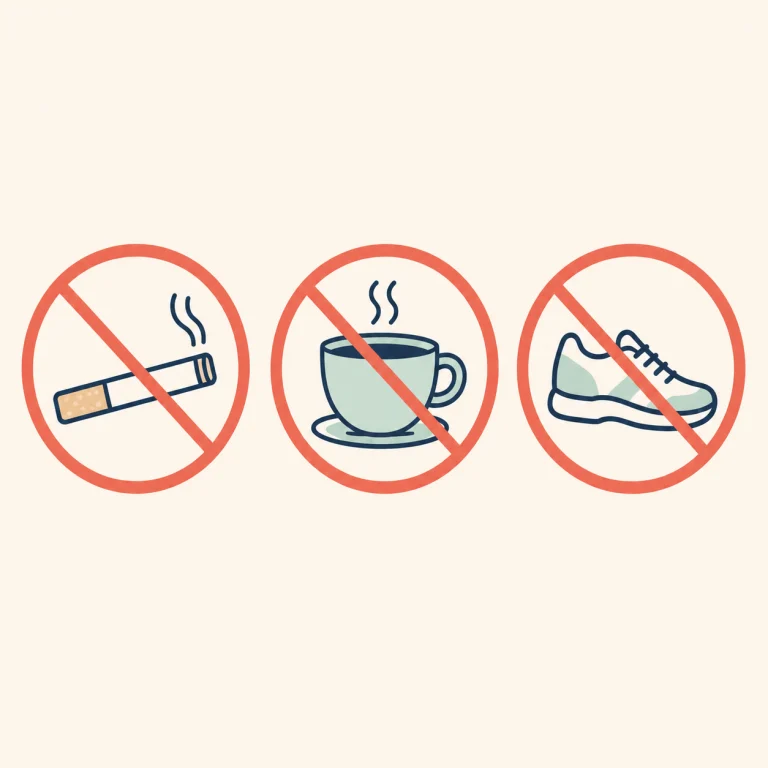
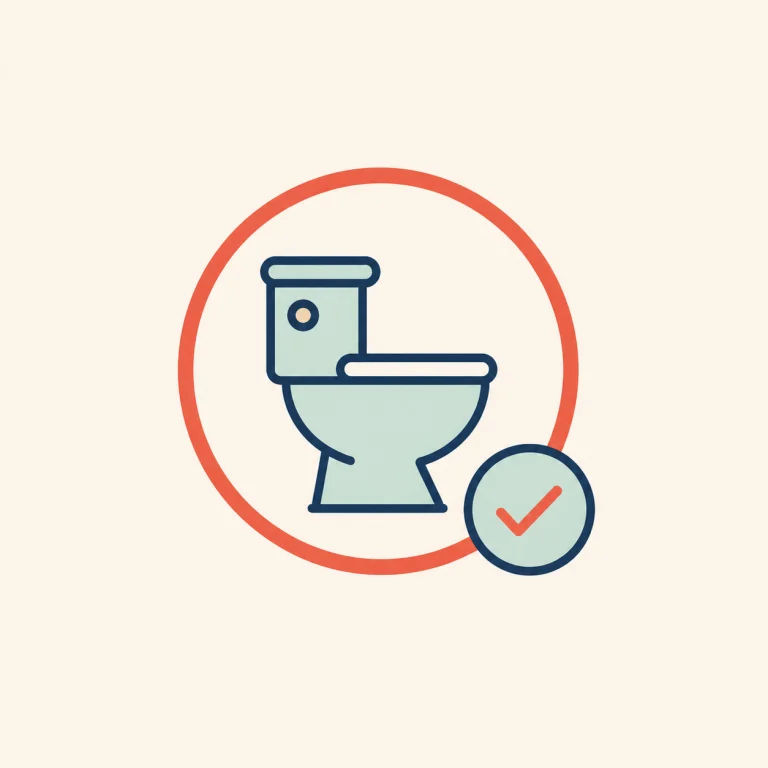
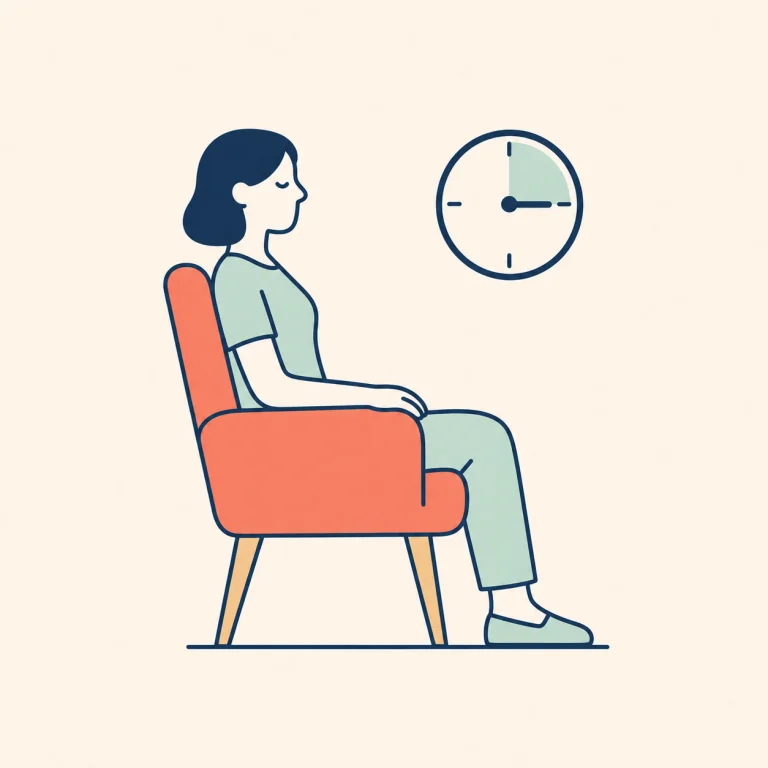
Before starting, avoid smoking, caffeine, and exercise for 30 minutes. Empty your bladder, uncover your upper arm, and rest quietly for five minutes.
How to measure blood pressure correctly at home
- Sit correctly. Support your back, keep feet flat and legs uncrossed.
- Fit the cuff. Place it on bare skin above the elbow bend, at the distance shown in your monitor's instructions.
- Align the markings. Follow your cuff's diagram for the artery marker and tubing; designs differ.
- Support your arm. Rest it so the middle of the cuff is at heart level.
- Stay still and quiet. Start the monitor without talking or using your phone.
- Repeat after one minute. Save both readings.
Unsure about placement? See which way a blood pressure cuff should face.
How to record your blood pressure readings
Record the date, time, systolic (top number), diastolic (bottom number), and pulse if shown. Add a short note about any interruption or change in technique.
Fictional example: these numbers are not a target blood pressure.
Keep both readings. Leave missed sessions blank rather than estimating values.
Use the blood pressure log tool to enter readings and download a CSV, or keep a paper diary. For photos of your monitor, try the photo-to-CSV tool and check every extracted number against the original.
How often should you measure?
Agree on times and the number of days with your healthcare professional. Ask how readings should fit around medication; do not change its timing yourself. See how often to check blood pressure at home.
How to share your log with your doctor
- Put readings in date and time order, including notes and missed sessions.
- Bring your diary, spreadsheet, or monitor with stored readings.
- Ask the clinic which file format it accepts before sending your log.
You can prepare a summary with the blood pressure average calculator, but keep the individual readings too. Ask your clinician which readings to include. See our appointment checklist.
Start your BpBookWhen to ask for help
Ask your healthcare professional what to do about readings outside your agreed range. Do not change prescribed medication based on this guide. If you feel seriously unwell or suspect a medical emergency, seek urgent medical help.
Frequently asked questions
Should I save the first reading?
Keep both readings with their original times. If a clinician asks for an average using a specific selection, preserve the source values and identify the calculation rule.
Can a photo replace checking my technique?
No. A monitor photo can help transcribe displayed numbers. It cannot establish correct cuff fit, posture or measurement conditions.
Sources
- American Heart Association: Home Blood Pressure Monitoring
- Healthdirect Australia: Blood pressure monitoring at home
Sources last checked 5 October 2026.