The best home blood pressure monitor for you is an appropriate validated device with a compatible cuff that fits and controls you can use consistently. Choose on those requirements before considering app features. None of these five is a universal fit for every household or clinical situation.
This is a comparison of manufacturer specifications and instructions, not a hands-on accuracy test. The order follows different needs rather than measured superiority; prices and regional availability change, so check the exact model sold locally before buying.
Compare the practical trade-offs
Check the model in an independent validation directory, including its intended users and cuff information. Independent validation and regulatory authorisation are different checks. Ask your care team about equipment for pregnancy, children or other specific needs.
1. OMRON M3 Comfort: a straightforward two-user option
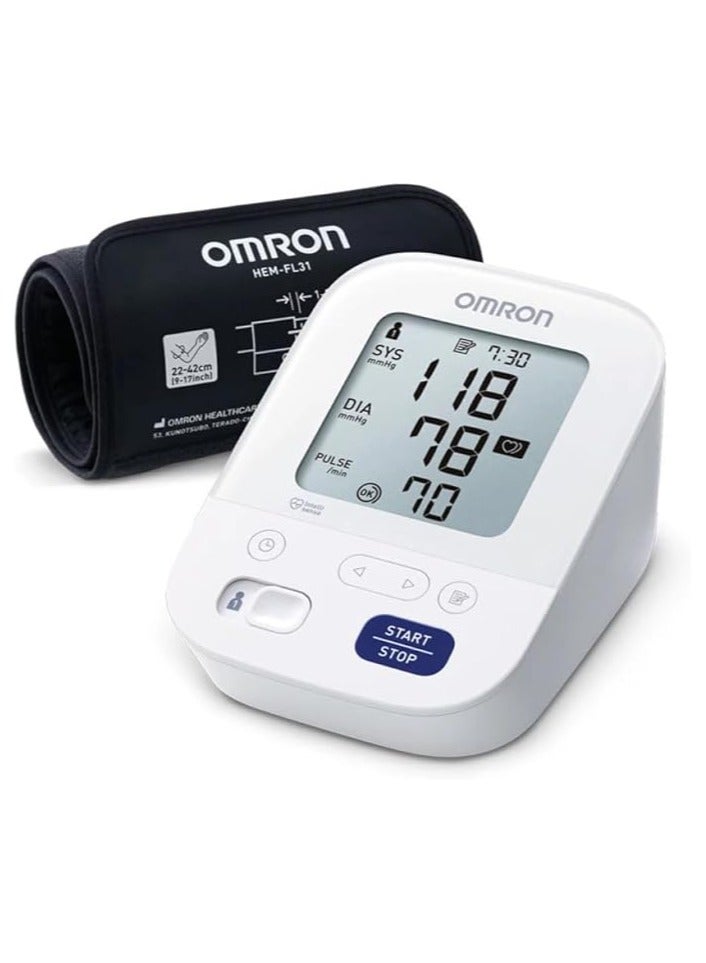
For HEM-7155-E, OMRON lists a 22–42 cm cuff and 60 readings per user for two users. It works without a phone. The exact manual, section 10.2 describes averaging the latest two or three readings taken within ten minutes; this is more specific than “last three”.
Its limitation is the separate manual record or export work if you want a history outside the device. Intelli Wrap does not remove the need for correct size, bare-skin fit and arm support. Newer M3 Comfort AFib variants have different model codes: compare their own manuals.
2. iHealth Track: display plus Bluetooth history
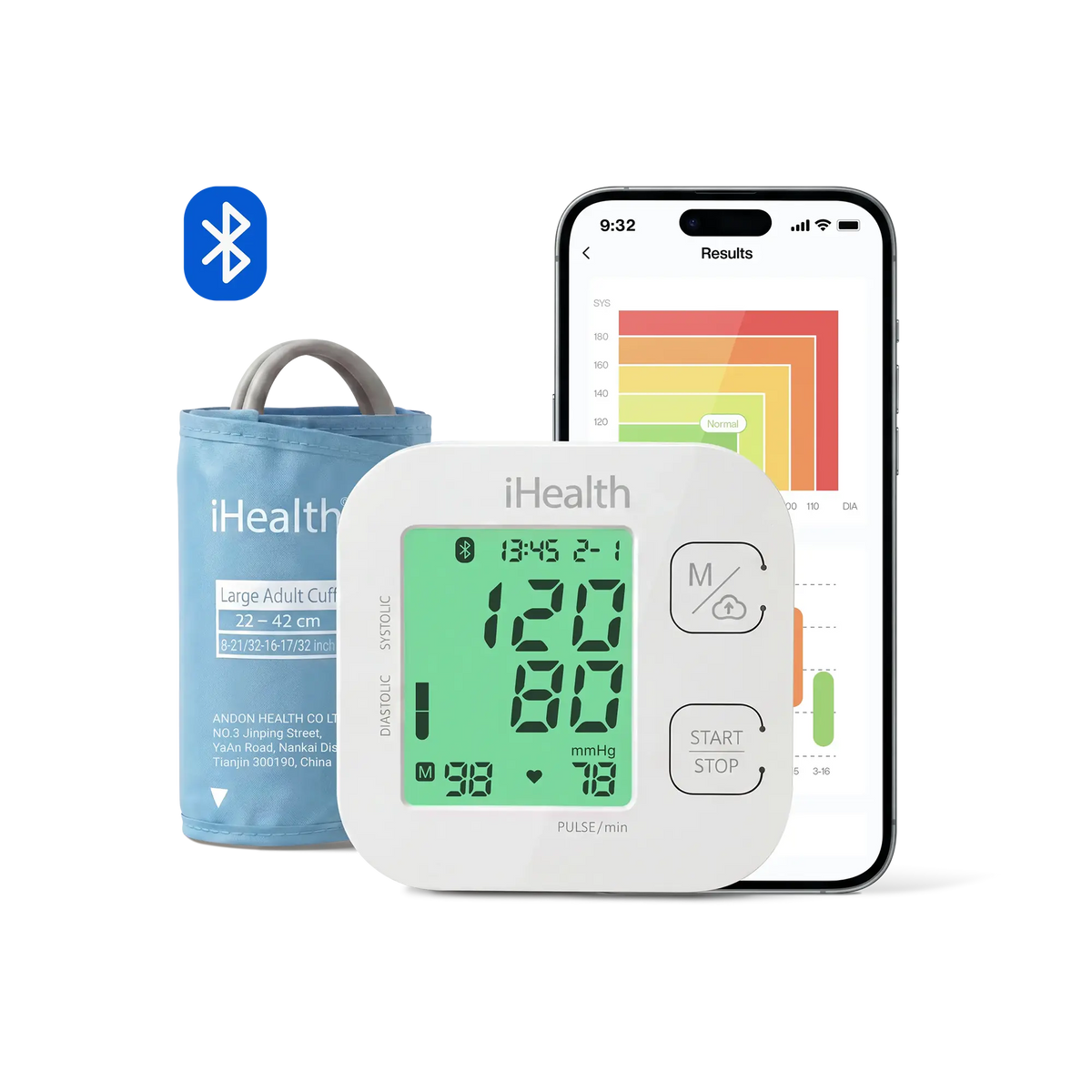
The current iHealth listing offers a large display, 99-reading memory and Bluetooth app syncing. That suits someone who wants the result visible on the monitor as well as a connected history.
Check the supplied cuff variant, app requirements and exact model before purchase. Do not assume every regional bundle includes the same cuff or multi-user features. We have not tested its syncing reliability or ranked it as the cheapest option.
3. OMRON HEM-7120: simple controls, manual record keeping
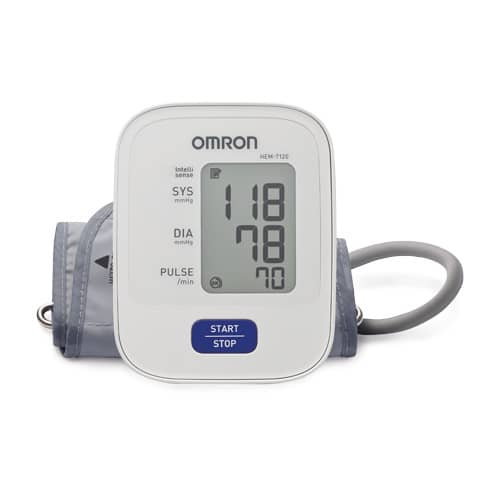
The India-listed HEM-7120 has one-button operation and stores the last reading. It is a practical choice when you prefer to write or type each result into a log immediately.
The limited memory is its main drawback. Confirm the included cuff range before buying; a low purchase price cannot make an unsuitable cuff fit. Use a paper or digital log if you need a longer history.
4. Withings BPM Connect: connected history with a real numeric display
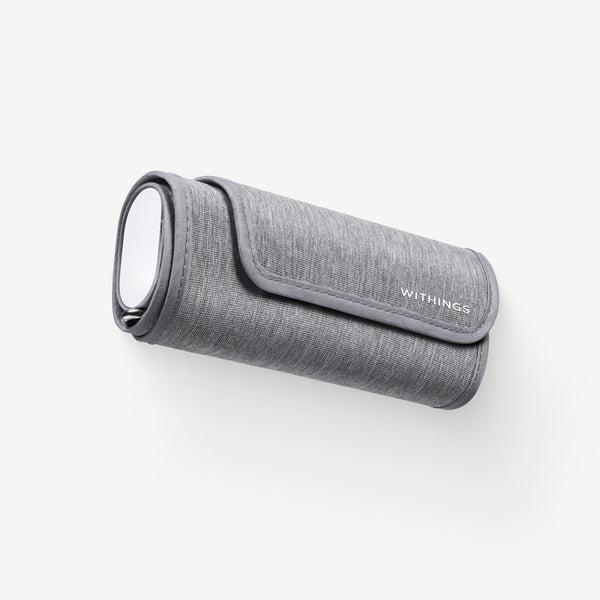
BPM Connect has Wi-Fi and Bluetooth, a rechargeable battery and an LED matrix screen. It displays numeric pressure and heart-rate results; describing it as only a colour bar would be wrong.
Its connected record requires the Withings setup and account workflow. Check the current app requirements, local availability and cuff range before choosing it for the syncing features. This comparison does not establish that its app is better than every alternative.
5. OMRON Evolv: an all-in-one design with phone-free measurement
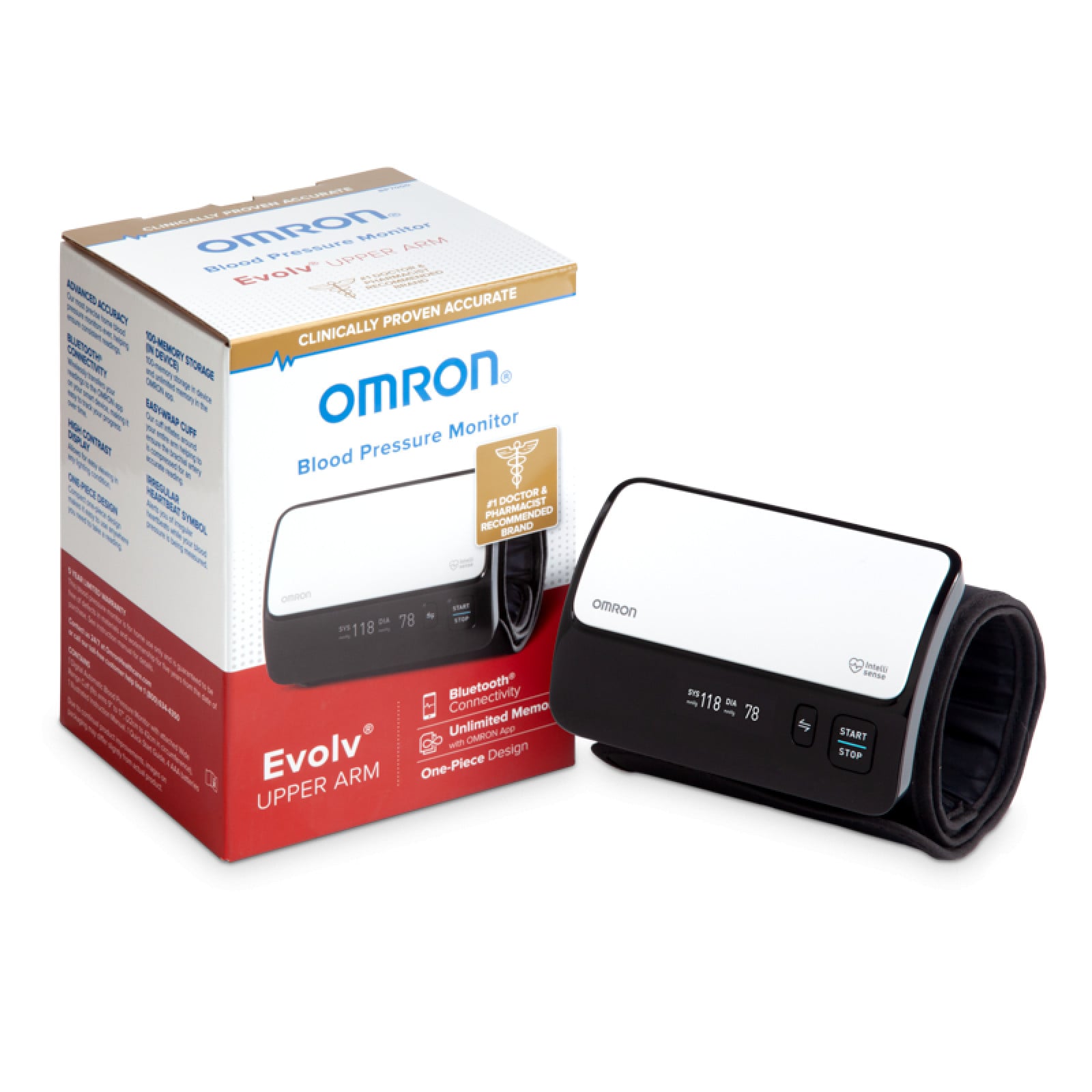
Evolv combines the cuff and monitor without a separate air tube. Its built-in OLED display lets you take a measurement without a phone. For the European HEM-7600T-E, OMRON’s instructions distinguish that from reviewing stored history in the app.
Choose it if the compact design helps your routine. The drawback is that you cannot browse previous measurements on the cuff itself. If you are not using the app, record each result and measurement time while they are available.
Choose the routine as well as the device
Shortlist a monitor whose exact model, cuff and controls fit your needs, then ask a healthcare professional to check your setup. Use the home measurement guide and keep the original dated results. BPBook helps organise and share readings; it does not validate, calibrate or connect directly to these monitors.
Frequently asked questions
Do I need an app to take a blood pressure reading?
Not for the phone-free measurement options described here. An app may still be needed for setup, syncing or browsing history on a connected model. Check the exact manual before purchase.
Does a wide-range cuff work for everyone?
No. Compare your arm circumference with the compatible cuff’s printed range. Ask for an equipment check if fit or suitability is unclear.
Are these hands-on accuracy rankings?
No. These are fit-based choices from published specifications and manuals, checked on 20 October 2026. We have not performed a comparative device test.
Sources and method
Manufacturer links beside each model support the listed features. The M3 averaging detail comes from its manual rather than the conflicting product-page field. Product images identify the devices; they are not evidence of personal testing.
- American Heart Association: choosing and using a home monitor
- STRIDE BP: device listing principles
- OMRON: Evolv BP7000 manual
BpBook has no affiliate relationship with these manufacturers. Model names, bundles and software requirements can change; check the current local listing and instructions.